

Affiliate Disclosure: As an Amazon Associate, we earn from qualifying purchases. This article contains affiliate links, which may earn us a commission at no additional cost to you.
Ocean Reef makes both integrated scuba masks and full-face snorkelling masks, and they should not be compared as interchangeable products. The Predator and Space Extender discussed here are scuba systems. The Aria is for surface snorkelling and does not provide a scuba breathing-gas supply.
That distinction should decide your shortlist before comfort features or accessories enter the discussion. If you want to dive on scuba, assess an appropriate integrated diving mask with training and service support. If you want to look at a reef while breathing surface air through a snorkel, assess the Aria for that separate activity.
This guide explains the intended uses, fit considerations and buying checks for these model families. It is an assessment of documented design and practical selection factors, not a claim that we personally completed a series of dives with each mask. Older model names and packages remain in circulation, so confirm exactly what a seller is offering.
| Mask | Intended category | Main buying question |
|---|---|---|
| Predator | Integrated scuba full-face mask | Which generation, regulator configuration and service support? |
| Space Extender | Integrated scuba full-face mask with accessory mounting options | Which accessories and connections are actually included? |
| Aria | Full-face surface snorkelling mask | Does the correct size seal comfortably for surface use? |
Ocean Reef Predator – Integrated scuba use
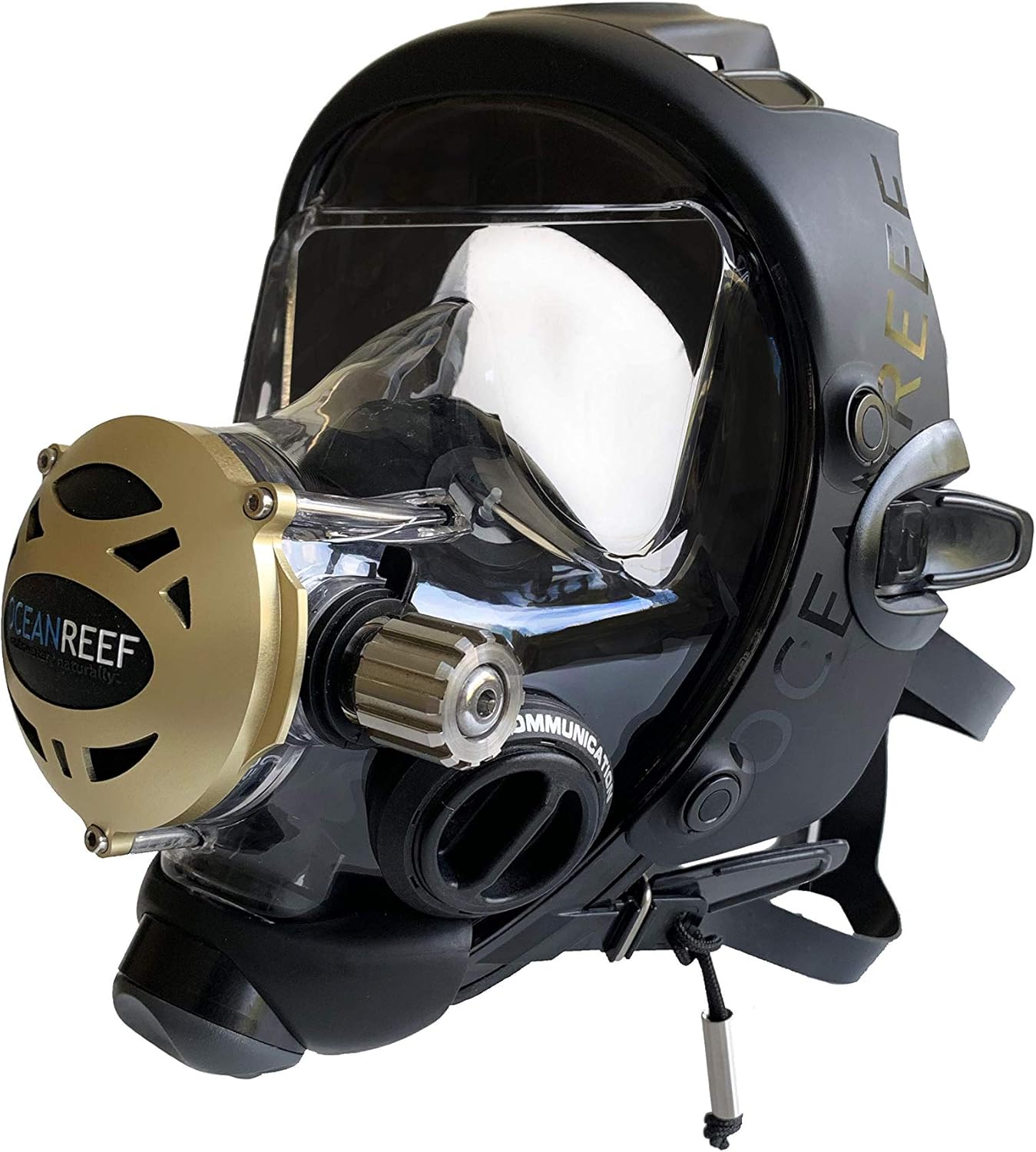
The Predator family belongs to Ocean Reef’s integrated diving-mask range. Unlike a conventional mask that covers only the eyes and nose, an integrated scuba mask also encloses the mouth and incorporates the breathing interface. It must be used with the correct gas-supply components and operating procedures for the exact model.
The attraction is an integrated viewing and breathing arrangement rather than a separate mouthpiece held between the teeth. However, removing or losing a full-face mask can affect both vision and access to breathing gas. That difference makes fitting, bailout planning and supervised familiarisation central to the decision to buy one.
Do not assume that every Predator listing represents the same generation or package. Ask for the full model designation, the corresponding manual and a clear list of included parts. A photograph of a mask with a communication unit does not establish that the unit comes in the box.
For a used mask, service history matters more than cosmetic appearance alone. Establish whether a qualified service centre can inspect the regulator, replace seals and obtain parts for that particular version. An apparently attractive deal can be poor value if support is uncertain or a necessary component is missing.
Potential advantages include a consolidated face interface and compatibility with appropriate accessories. The compromises include additional setup, more specialised procedures and a need to confirm the fit of both the face seal and the internal components. It is not a universal upgrade for every recreational diver.
View Ocean Reef Predator on Amazon
Ocean Reef Space Extender – Check the complete package
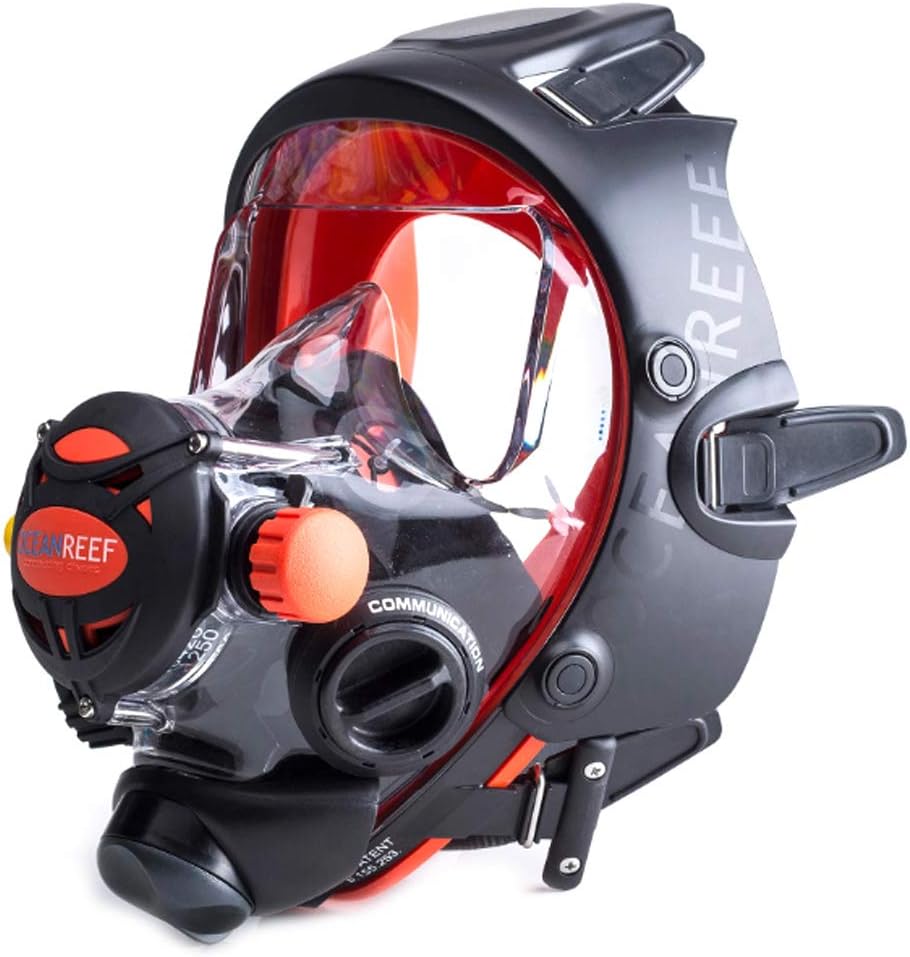
The Space Extender is also a scuba integrated-mask option. Its accessory arrangement can appeal to divers who have a specific need for compatible mounting equipment. The useful question is what you intend to mount and why, rather than how many accessories can be attached at once.
Before choosing it, identify the exact model and compare the seller’s contents with the relevant Ocean Reef manual. Older Space-family descriptions, newer Neptune products and accessory kits can appear together in search results. Features belonging to one should not be transferred automatically to another.
A communication port or mounting point does not mean the mask contains a complete underwater radio system. Communication hardware, surface units, batteries and compatible connections may be separate purchases. Confirm that the equipment used by your buddy or surface team works with the proposed system before ordering.
Adding a camera or light can change the balance of the mask and the way it moves when you turn your head. Test the complete arrangement in a suitable controlled setting. Keep routing tidy and avoid adding equipment that obstructs controls, emergency removal or the procedures taught during training.
The Space Extender makes most sense when its configuration meets an identified diving requirement. If you only need a comfortable view of the reef, a simpler conventional mask may be easier to fit, pack and maintain. Full-face equipment should solve a real problem rather than add complexity for its own sake.
View Ocean Reef Space Extender on Amazon
Ocean Reef Aria – Surface snorkelling only
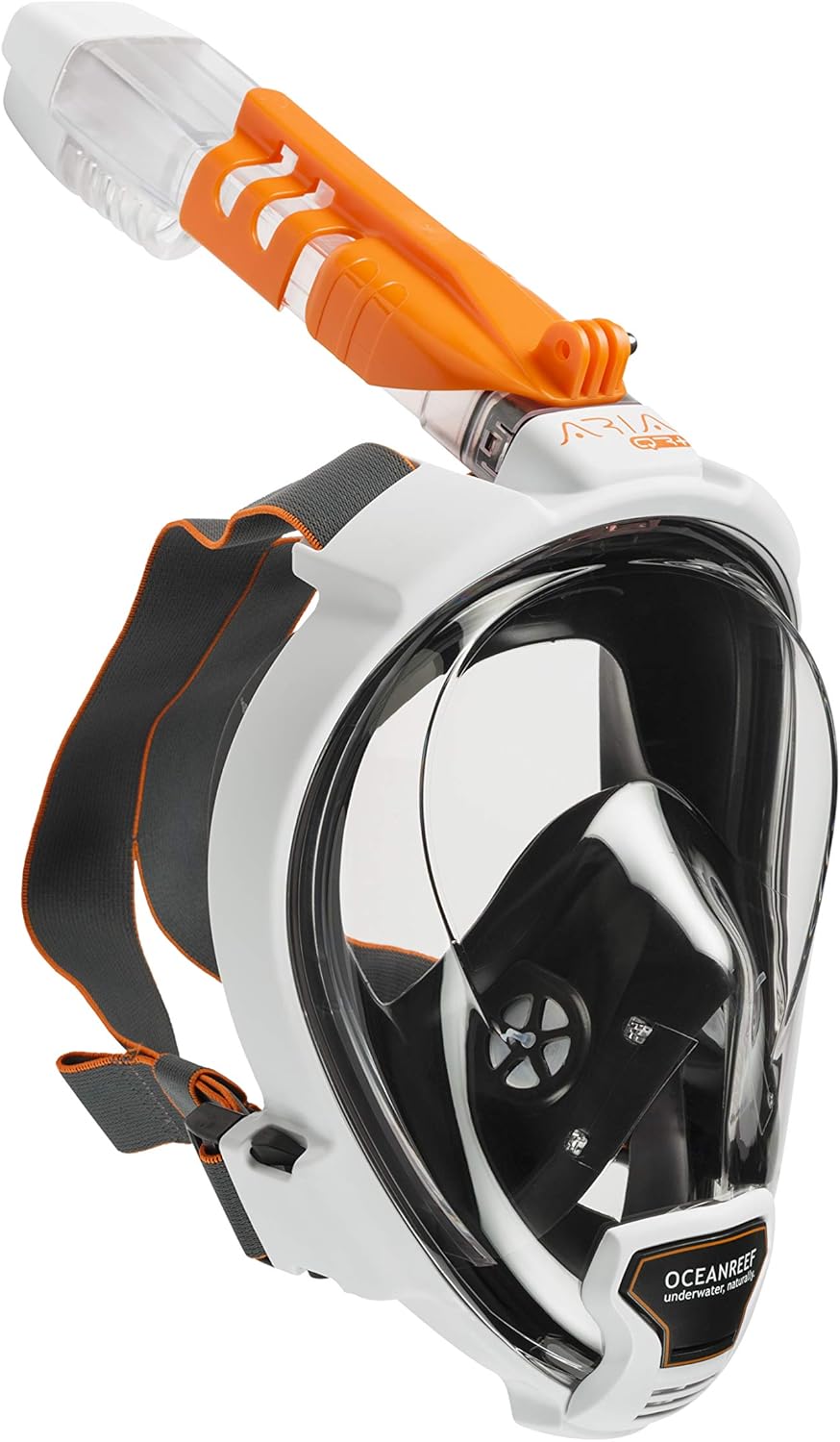
The Aria uses a snorkel to access air at the surface. It is not a scuba mask, a rebreather or a bailout breathing system. Do not attach a scuba regulator to it or assume that a dry-top snorkel allows you to keep breathing while submerged. Follow the intended-use limits for the exact Aria version.
Ocean Reef’s current Aria QR+ information describes a full-face snorkelling design with a quick-release strap arrangement and separate accessory options. That does not make every older Aria package identical to the QR+, so check the model and supplied components carefully.
For a suitable surface snorkeller, the main appeal is breathing through the nose or mouth without holding a conventional snorkel mouthpiece. Comfort still depends on a good seal and appropriate use. A broad-looking visor cannot compensate for a mask that is the wrong size or presses uncomfortably on the face.
Learn the release arrangement before entering the water and become familiar with the mask in an appropriate supervised setting. Stop using it if breathing feels difficult, the mask repeatedly leaks or you feel unwell. Do not try to solve an uncomfortable breathing experience by pushing harder or staying in the water longer.
The Aria should not be selected for freediving or scuba descent. Surface snorkelling, breath-hold diving and breathing compressed gas are different activities. If your plans include duck-diving below the surface, choose equipment intended for that activity and obtain appropriate instruction.
View Ocean Reef Aria on Amazon
Fit is more important than a universal size claim
No full-face mask can be assumed to fit every face. The external skirt must seal comfortably, and the internal arrangement must suit the wearer’s facial dimensions. Facial hair, hood placement, spectacles and the shape of the nose can all affect the practical result.
Use the size guide for the exact mask, then seek a proper fitting assessment. Do not choose solely from a general description such as adult, large or one size. With integrated scuba equipment, fitting should include the internal breathing area and the equalisation arrangement, not just whether the visor looks comfortable.
Normal spectacles can interfere with a face seal where the arms pass underneath it. Ask about the approved optical solution for the model instead of forcing spectacles into place. A mask’s air space helps underwater focusing, but it does not automatically correct a prescription or replace suitable optical lenses.
The strap should retain an appropriate seal without excessive pressure. More tension is not always better: it may distort a skirt or create a pressure point. Recheck the complete combination with any hood or other head equipment you will wear during the dive or snorkel session.
Equalisation, gas supply and training
An integrated scuba mask requires training in the manufacturer’s relevant operating procedures. Equalisation access differs from pinching the flexible nose pocket of a conventional mask. Have the system fitted and demonstrated by an instructor familiar with it rather than improvising adjustments from a photograph.
The mask does not create oxygen or make cylinder gas unlimited. Your gas planning, equipment checks, buddy procedures and exposure limits remain essential. If an accessory changes how you monitor or communicate, practise that change before relying on it in open water.
Plan for the loss of the integrated breathing interface. Your instructor should help establish the appropriate backup regulator, backup mask and transition procedure for your configuration. A spare component has little value if it cannot be reached or used when needed.
For the original model documentation, use Ocean Reef’s diving support and manuals. Select the manual matching the model on the equipment. A current product brochure is not a replacement for the operating and maintenance instructions of an older mask.
Communications and other accessories
Underwater voice communication is an optional system capability, not an automatic feature of every full-face mask. Check whether you need a diver unit, a matching receiver or another diver unit, and what the intended operating environment requires. Do not assume that a standard phone or ordinary Bluetooth speaker supplies underwater communications.
Accessories should have a clear purpose. A camera mount may be useful for a particular task, but it does not improve the underlying face seal or breathing performance. Likewise, a mounting rail does not imply night vision, voice-changing functions or other electronics unless the specific installed accessory provides them.
If you are buying for a team, agree the equipment specification together. Mixed generations, connectors or communication systems can complicate training and support. Confirm compatibility before purchasing several masks based on photographs that look similar.
Cleaning, inspection and ongoing ownership
Follow the mask’s own cleaning instructions, especially for the visor and breathing components. Full-face visors are not all made from the same material as conventional tempered-glass lenses. Abrasives or chemicals that seem harmless on another product may damage a visor, coating or seal.
Rinse and dry equipment as directed, and inspect the skirt, straps, buckles and connections before use. Avoid storing the mask under heavy equipment that can deform its seal. Keep the visor protected from scratches, and transport the regulator and fittings so they are not carrying the weight of other gear.
Regulator servicing and user cleaning are different jobs. Use qualified support for service work and follow the prescribed intervals and inspection requirements. If you are considering an older mask, establish this support before paying for it rather than discovering afterward that a critical part is difficult to obtain.
Final recommendation
Choose the Predator or Space Extender only when you want an integrated scuba system and can arrange correct fitting, training and service. Choose the Aria only for its intended surface-snorkelling role. They are separate solutions, so ranking the Aria as a cheaper substitute for the scuba models would be misleading. Keep the correct manual with your equipment records and confirm the selected package with the seller before ordering accessories.
For a conventional alternative, our Apeks VX1 review discusses a separate mask used with a regulator. If you are still learning the basic equipment distinctions, start with how a scuba mask works before deciding whether an integrated system suits your diving.

Hi, I’m Abi. I am a passionate blogger. I love writing about my passions: fitness, water sports, travel, and food. I also love getting to know new people and cultures through travel. When I’m not writing or traveling, you can find me coding up a storm!