

A rewarding weekend scuba trip starts with a realistic plan: suitable dives, a reliable operator, enough rest and time for the journey home. These ten tips help you organize the details that matter. No checklist can guarantee perfect conditions, but good preparation gives you more options when weather, travel or your own comfort changes.
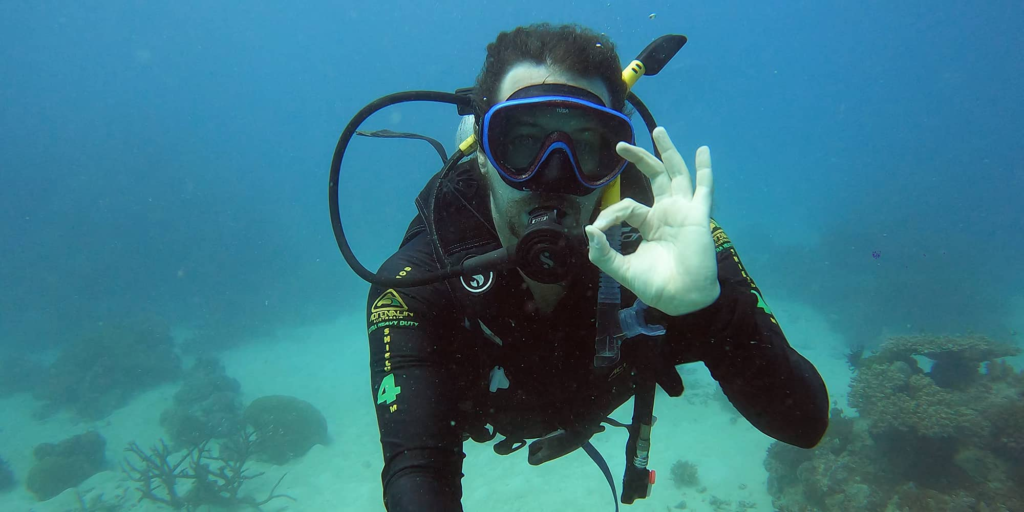
What do you like to do on the weekends? Maybe you are a beach bum who loves to lounge around in the sun and get some vitamin D. Or, maybe you are more of an adventurer who wants to get out there and explore new places and cultures. Whatever it is that drives you on the weekends, we have got just the thing for you: scuba diving!
Scuba diving is a wonderful way to explore the underwater world, but it carries risks that need training and planning. Choose dives that match your certification and recent experience, then discuss the conditions with the operator. A relaxed, appropriate dive is a better holiday memory than struggling through a site chosen only for its reputation.
We have put together ten practical tips for a weekend scuba trip, covering destination choice, conditions, fitness, equipment and transport. Use them as planning prompts and adapt the details to your location and operator.
1. Define your primary interests
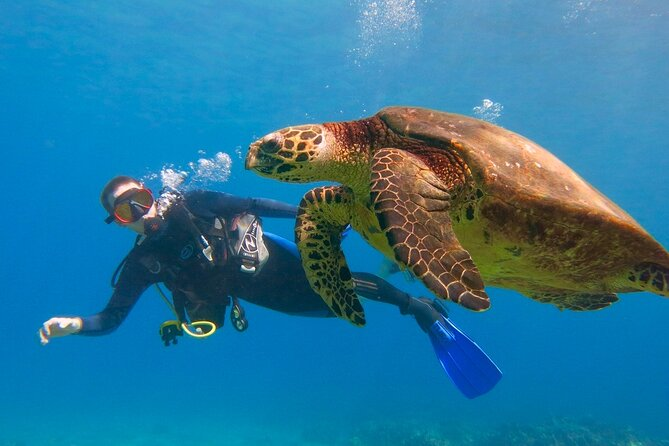
When planning your scuba trip, decide what interests you most. Do you want to observe reef fish, practice photography, improve buoyancy or see the outside of a historic wreck? Choose an activity within your training, respect marine life and leave artifacts where they belong. Wildlife encounters should never be guaranteed or pursued by chasing animals.
If there is something specific that interests you most about scuba diving, make sure that is the focus of your trip. If not, try a few different kinds of dives before settling on one particular activity, you may discover something new and exciting!
2. Choose your destination
You can not just dive into the water without knowing where everything is. You need to know where the best places are to snorkel and dive, so do some research before you go! Check the best places for scuba diving.
The first step to planning your perfect scuba trip is to identify what you want to do. The best way to figure this out is by researching the area where you plan on diving according to your interest.
If you are looking for something new, consider a destination with varied marine life and several suitable sites. If you would rather take it easy, choose a location with straightforward transfers, an appropriate house reef or sheltered alternatives. Confirm that the operator can offer a plan that fits your experience, not just an attractive list of famous places.
3. Check the season and current conditions
There is no single best season for every diving destination. Visibility, water temperature, wind, rainfall and current patterns vary by region, and summer is not automatically the best time. Ask the operator about the conditions on the specific sites planned for your weekend. A clear-water photograph from another month is not a reliable forecast for your trip.
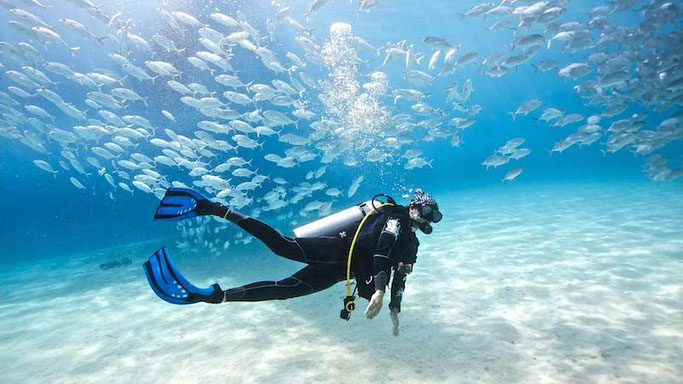
Weather and sea conditions should be central to the choice, not an afterthought. Check the marine forecast as well as the temperature on land. Strong wind, swell or difficult entry conditions can matter more than whether the sky is sunny. Ask how the operator decides to change sites, postpone a departure or cancel an outing.
Build flexibility into the schedule and understand the cancellation terms before paying. A backup land activity makes a weather cancellation easier to accept. Never pressure the crew to run a trip because your weekend is short; choosing not to dive can be the best decision of the holiday.
4. Find a suitable resort
If you are going on a weekend trip and want to dive, make sure you book your spot in advance. This is especially important if there are limited spots available for diving on any given day!
Finding the right resort is essential for an enjoyable scuba trip. You do not want to stay in a place that is not suitable for you, especially if you have specific needs or requirements. It is important to find out about the resort’s amenities and facilities before booking your room. This will ensure that you get what you need from your stay at the resort.
If you want to go on a weekend scuba trip but don’t have much money, then make sure that the destination is not too far away from where you live or work. This will save you money on transportation costs as well as accommodation fees if there are not any nearby hotels available!
5. Match the dive style to your experience
Choose the dive style before choosing the most ambitious site. Reef, shore, boat, drift, wreck and cold-water diving can overlap, and each brings different practical demands. Explain your qualifications and recent experience so the operator can suggest appropriate sites. A certification card alone does not describe your comfort in every environment.
Drift diving involves moving with the current and usually requires a clear boat-pickup and separation plan. It is not automatically suitable for beginners, and a compass alone does not solve the challenges of moving water. Ask about current strength, entry timing, descent procedures and surface signaling. Get suitable instruction or experience before joining a trip that expects skills you have not practiced.
Cold-water diving requires appropriate exposure protection and familiarity with the equipment used. If a drysuit is needed, obtain the relevant instruction before relying on it during a holiday dive. Depth is not the only issue: cold can affect comfort and performance even in shallow water, and surface conditions influence how easily you can warm up between dives.
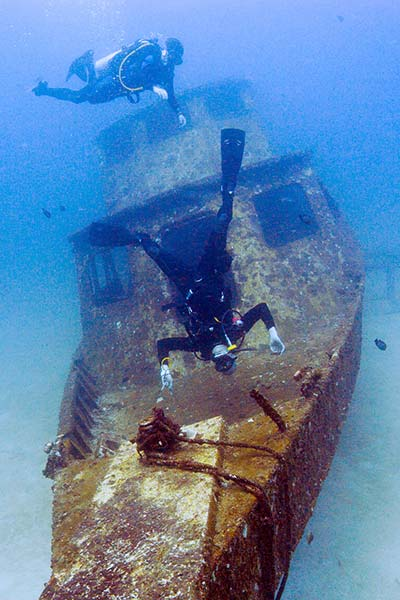
Wreck diving can mean observing a vessel from outside or entering an overhead space, and those are very different activities. External routes may be suitable within ordinary recreational training and depth limits. Penetration requires specialist training, planning and equipment. Ask which route is proposed and do not follow someone inside simply because they appear confident.
6. Check fitness and refresh your skills
Scuba diving is a physically demanding activity, so you will want to make sure you are in good shape before hitting the water. If you do not already have a regular exercise routine, consider starting one up before your trip. You can also try swimming, running or biking to get some extra training in.
7. Don’t forget to budget for travel costs
When you are planning your first scuba trip, it is important to remember that the cost of travel is going to be a factor. That’s why it is so important to budget for the fact that you will be spending extra money on flights and lodging.
Compare the complete travel cost rather than assuming that living near an airport or traveling on a particular day makes the trip inexpensive. Include transfers, baggage allowances, equipment rental, park access where applicable and suitable insurance. Check accommodation rates for the actual dates and leave a realistic margin for delays or changed plans.
You can also consider staying with family or friends instead of booking a hotel room. This will save money and make your trip even more fun!
8. Plan transport and the journey home
You can’t go scuba diving if you don’t know how to get there! If your dive site is nearby, then this will not be an issue, but if it is a little farther away and you are not driving, then make sure to plan ahead so that you are not left stranded without a ride. You might even want to arrange for a ride before your trip—it could be easier than waiting around at the airport or train station while everyone else is busy getting their gear ready.
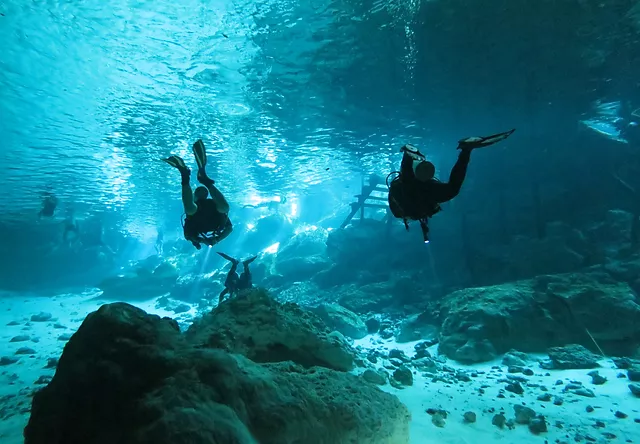
Pack from a checklist agreed with the operator. Confirm what is supplied and what you must bring, including your certification, logbook or experience record, required medical documents and personal equipment. Check mask and fin fit, battery status and any service needs before departure. Pack light by leaving unnecessary extras at home, not by omitting essential safety equipment. Keep important documents and fragile items protected during the journey.
9. Prepare for the weather at your destination
A scuba trip is a great way to get away and enjoy the outdoors, but you will want to be prepared for what to expect when it comes to the weather at your destination. If you are planning on wearing thermals and being in water for most of your trip, pack accordingly!
10. Pack only what you need
Pack only what you need, but define essentials according to the actual dives. Alongside the required diving equipment, include dry clothing, suitable sun and weather protection, drinking water and any prescribed medication. Small spares appropriate to your equipment can help with simple problems, while major faults need qualified attention. Confirm rental availability in advance rather than assuming a replacement will be waiting.
Leave enough time before flying
Book the final dive around the flight, not the other way around. DAN’s flying-after-diving guidance recommends a minimum surface interval of 12 hours after a single no-decompression dive and 18 hours after multiple dives in a day or multiple days of diving. Dives requiring decompression stops need a substantially longer interval than 18 hours. These recommendations concern divers without symptoms and do not eliminate all risk.
A longer buffer can make a weekend itinerary more comfortable, especially if plans change. Follow any more conservative requirements from your training, computer or operator. Driving to altitude also deserves planning; do not assume the concern applies only to aircraft. If you have possible decompression symptoms, seek medical advice rather than waiting for a timer to permit travel.
Confirm the operator and emergency plan
Ask about group size, supervision, emergency oxygen, communication and how assistance would be reached. Make sure the operator knows if you have not dived recently. A refresher before the trip can be a better use of time than struggling with unfamiliar equipment on the first boat dive.
Tell your buddy about any concerns, agree on the plan and respect either person’s decision to stop. Review the entry method before boarding; our explanation of backward-roll boat entries can help you understand a common small-boat procedure. The crew and instructor should still demonstrate the appropriate method for the actual boat.
A simple final check
The day before departure, confirm the meeting point and time, transport, equipment arrangements, documents and weather decision process. Recheck the flight interval against the last planned dive. Put the operator’s contact details somewhere accessible and let a trusted person know your itinerary. These practical steps reduce avoidable stress without turning a short holiday into an overfilled schedule.
Conclusion
A good weekend plan balances enjoyable diving with realistic travel and recovery time. Choose the operator and sites carefully, check the equipment and leave room to change the plan. Completing fewer suitable dives is better than squeezing in another dive at the expense of rest, conditions or the journey home.
We hope you have fun with these tips, and we would love to hear your feedback!

Hi, I’m Abi. I am a passionate blogger. I love writing about my passions: fitness, water sports, travel, and food. I also love getting to know new people and cultures through travel. When I’m not writing or traveling, you can find me coding up a storm!